
A Beginner's Course, Built For Small Spaces
Grow real food where you already live.
Giyexu Napabi is a structured, self-paced course for people who want to grow vegetables and herbs on a balcony, a rooftop, or a bright indoor corner. It covers crop selection, watering systems including simple hydroponic setups, and the basic care routines that keep plants alive. No garden, no soil experience, and no prior knowledge of hydroponics required.
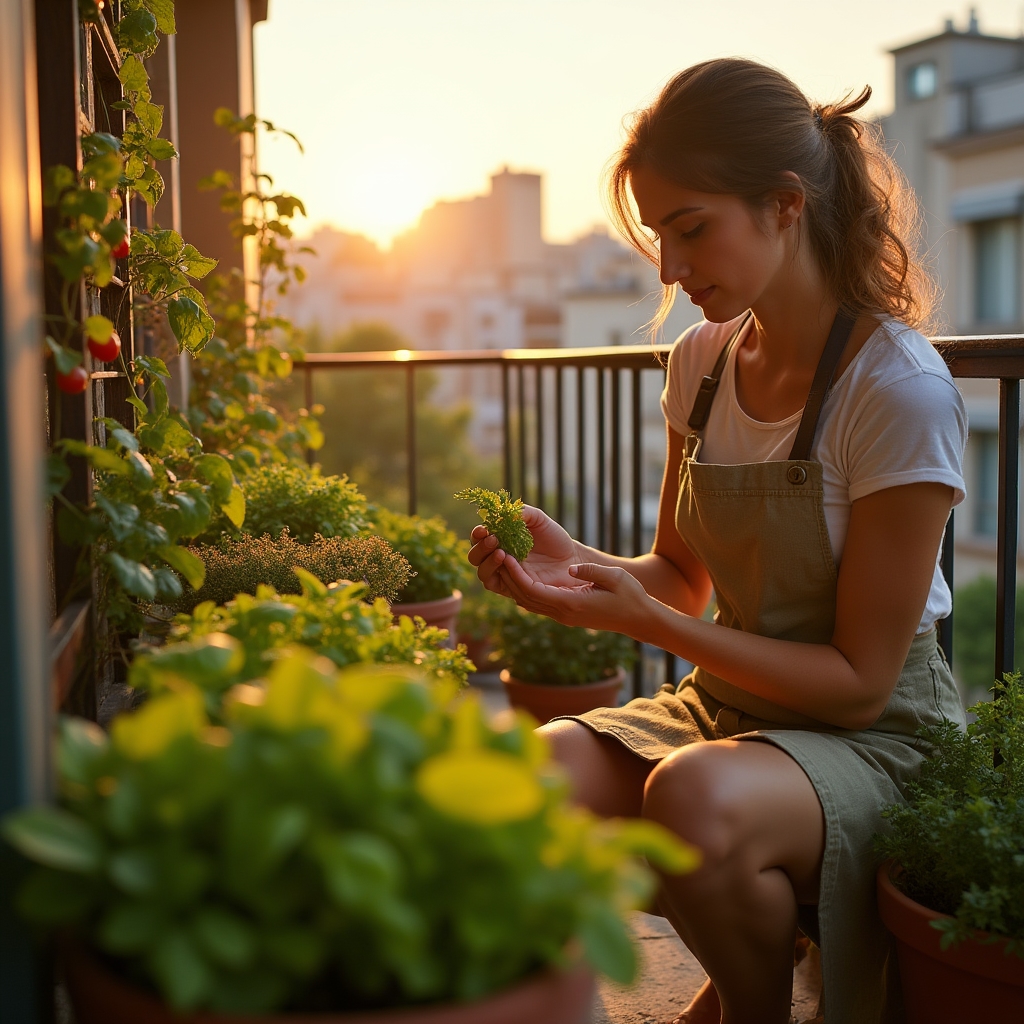
Most growing guides start with a garden bed and a full afternoon of sun. This one starts somewhere smaller: a windowsill, a balcony rail, a shelf under a grow light. The course was built around that constraint, not around it being solved away.
Core Principles
What the course is built on.
Start With The Space You Have
Every module begins with an honest look at your actual conditions: light hours, wind exposure, floor load, access to a tap. Crop and system choices follow from there, not the other way around.
Understand Water Before Plants
Overwatering and underwatering account for a large share of early setbacks. Before naming a single crop, the course walks through how water moves through soil, wicks, and hydroponic reservoirs.
Small Batches, Fewer Mistakes
Lessons recommend starting with two or three containers, or one compact hydroponic tray, rather than filling every available surface at once. Errors are cheaper and easier to trace at a small scale.
Observe, Adjust, Repeat
Plants respond to their environment on a delay. The course teaches a simple weekly observation routine so changes in leaf colour, growth rate, or root health get noticed early.
Inside The Course
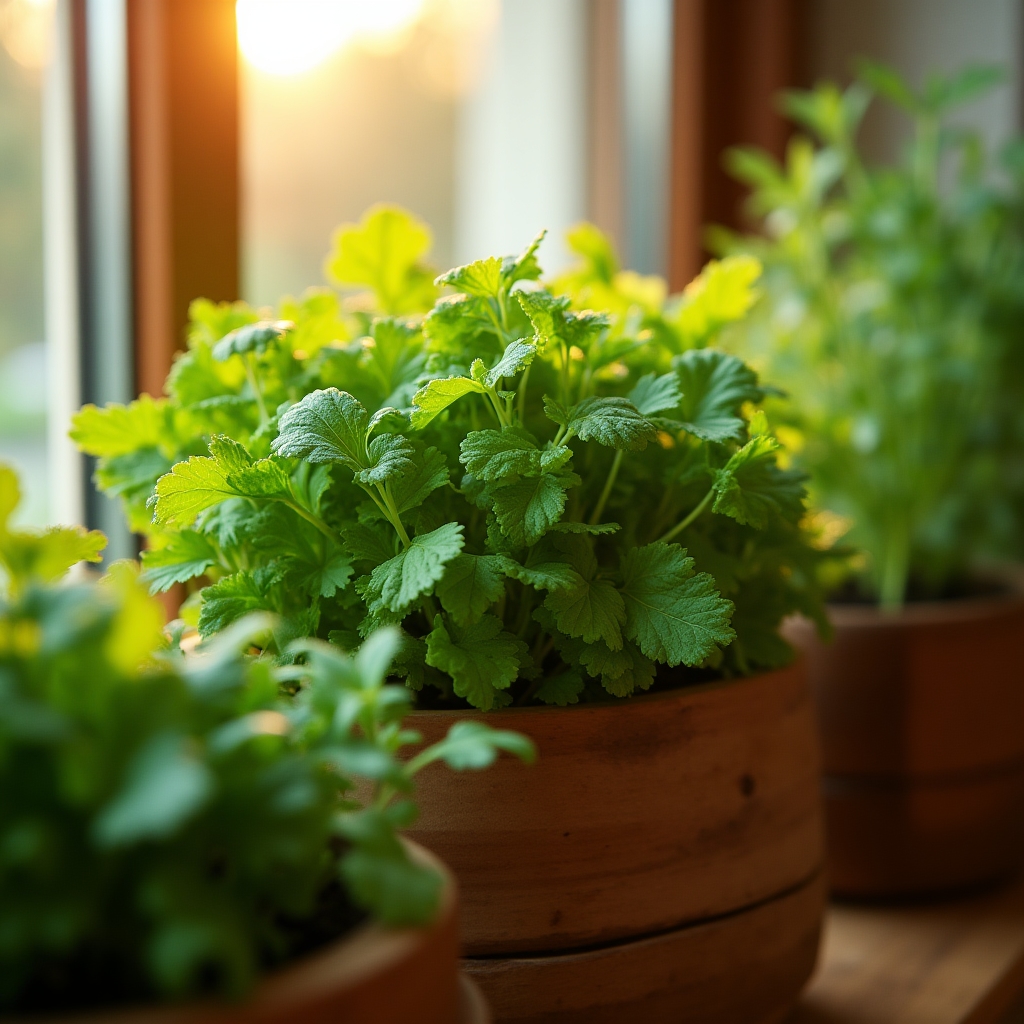
Choosing crops for containers and small systems.
Not every vegetable adapts well to a pot or a hydroponic channel. This section walks through leafy greens, herbs, and compact fruiting plants that tend to perform predictably in limited space, and explains how to match a crop to the light and depth available to you.
Inside The Course
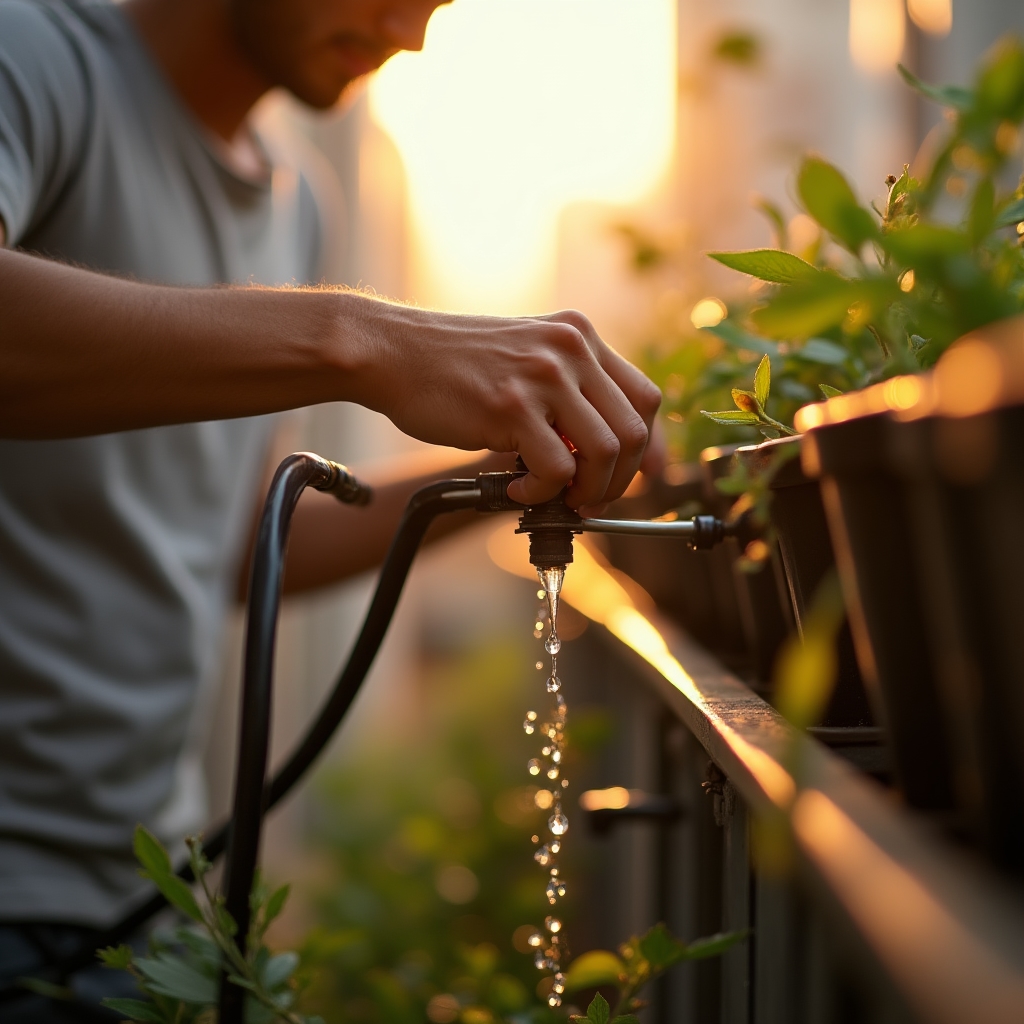
Watering systems, from manual to hydroponic.
You will look at four approaches: watering by hand on a schedule, wick systems that draw water passively, timed drip irrigation, and simple hydroponic reservoirs such as deep water culture. Each comes with its own maintenance rhythm and its own failure points, covered directly rather than glossed over.
Course Structure
Five modules, worked through at your own pace.
Reading Your Space
Assessing light direction and hours, wind exposure, weight limits on balconies and rooftops, and access to water and electricity before choosing anything.
Choosing Crops For Your Conditions
Matching leafy greens, herbs, and compact fruiting plants to the light and depth you actually have available.
Watering Methods Explained
Manual watering, wick systems, drip irrigation, and hydroponic reservoirs, compared side by side along with their upkeep requirements.
Building A Simple Hydroponic Setup
Assembling a small deep water culture or wick-based system indoors, including net pots, growing medium, and basic nutrient dosing.
Ongoing Care And Troubleshooting
Recognising early signs of nutrient deficiency, pests, and root problems, plus a routine for quick weekly checks.
Who It's For
Built for four kinds of growers.
Apartment residents with a balcony or windowsill and a few free hours a week.
Rooftop tenants or building managers exploring shared or communal growing space.
Anyone with a bright indoor corner and curiosity about hydroponic systems.
Parents and educators looking for a hands-on project to work through with family or students.
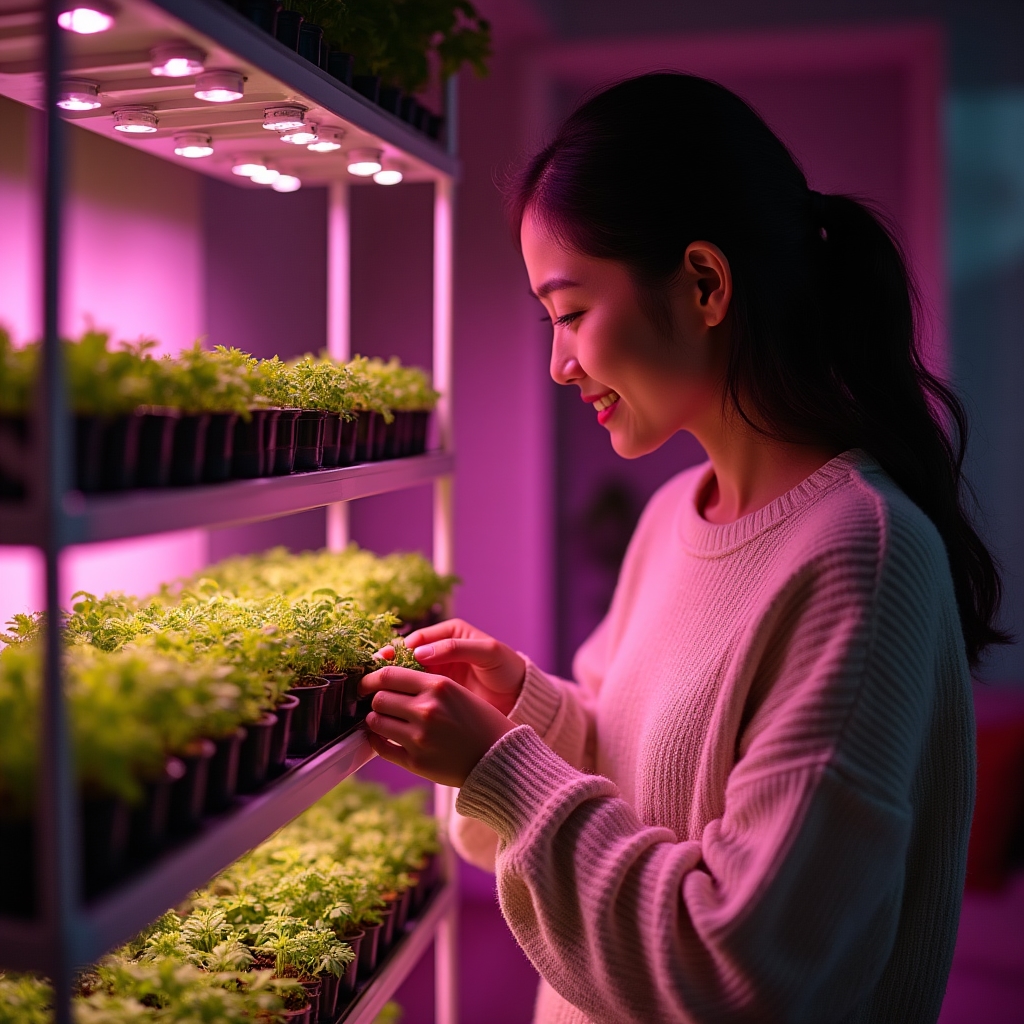
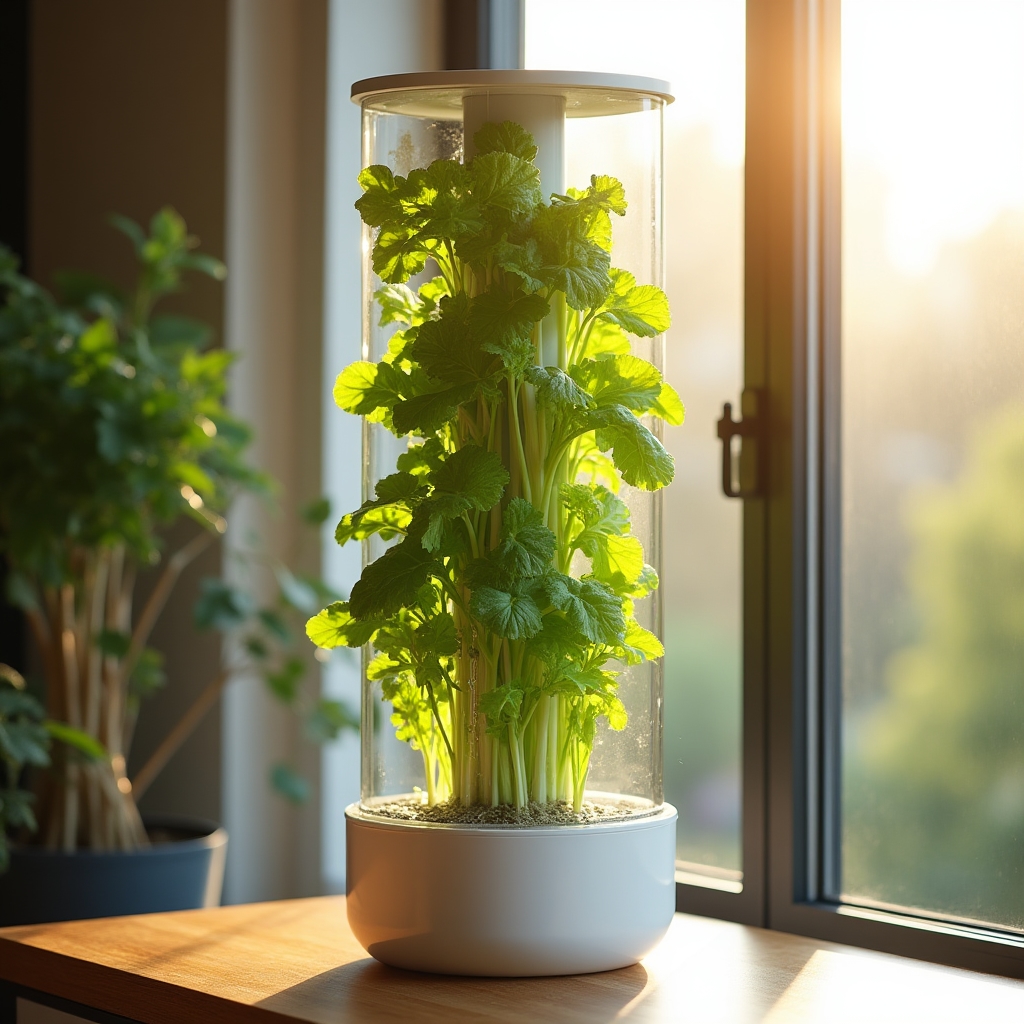
A Look Inside
What a small-space setup can look like.

Get In Touch
Have a question before you start?
Location
Strada Mitropolitul Nifon 29
Bucharest, Romania
Course delivered online, address for correspondence